
Why So Many Women Feel Confused About Their Hormones — And What’s Really Going On
- Roshani Hill

- Oct 13
- 6 min read

As a Functional Hormone Health Coach, Roshani helps women decode the messages
their bodies are sending, turning everyday symptoms like fatigue, heavy periods,
mood swings, or skin changes into meaningful insights for better health.
Her approach is all about tuning in, understanding your body’s signals, and giving
women the tools to feel empowered through every hormonal shift, whether that’s
menstrual irregularities, postpartum, perimenopause, or beyond.
Why Are We So Confused About Our Hormones?
Hormonal shifts don’t suddenly appear in your 30s, they start whispering much
earlier.
If you’re over 30 (or creeping close), you’ve probably noticed the signals: weird
cycles, mood swings, headaches, heavy periods, fatigue, irritability. Maybe these
started in your 20s, subtle at first, but now they’re louder, harder to ignore.
Your body is sending you messages and understanding them changes everything.
Hormones Talk Early: You Just Have to Listen
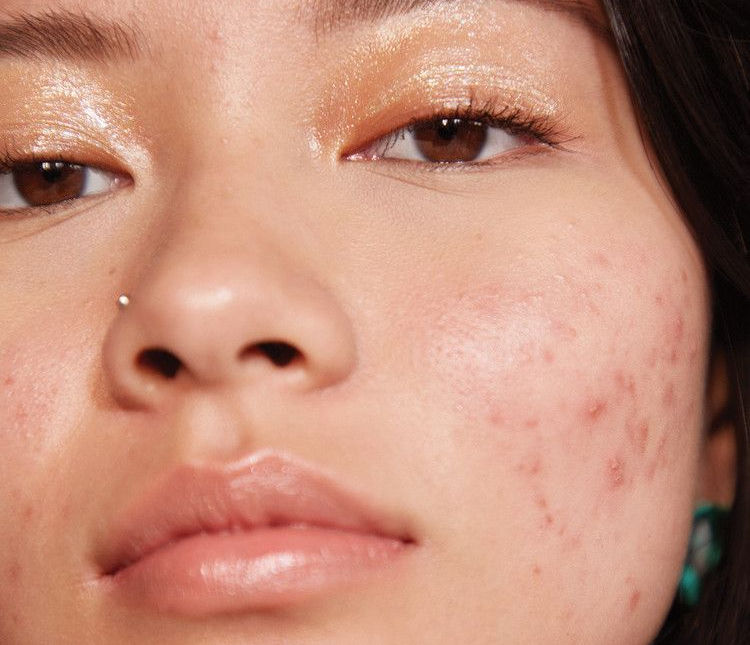
It might show up as skin issues, random food intolerances, stubborn weight gain, or
fatigue that feels deeper than “just tired.” Your cycle might shift too; heavier, longer,
or more painful.
That pain, called dysmenorrhea, isn’t “just part of being a woman”, it’s the cramping,
aching, or pelvic discomfort that appears before or during your period. Sometimes
it’s driven by inflammation, prostaglandins, or nutrient gaps like low iron and
magnesium. Other times it signals something deeper, endometriosis, fibroids, or
pelvic inflammation. Either way, it’s your body saying: pay attention.
Other early signals include acne, bloating, excess hair growth, often linked to
androgens and insulin resistance, or fibroids developing from a mix of estrogen
dominance, uterine trauma, or metabolic stress. Fatigue, mood swings, and
headaches may trace back to gut inflammation, nutrient deficiencies, or detox issues.
The thing is, there is no one size fits all approach to hormonal health. It is often a
downstream impact of something deeper going on with your body. Think of your
cycle as a monthly hormonal scorecard.

As we age, hormonal resilience naturally dips, so what you used to shrug off starts to
feel heavier and harder to recover from.
Your body is always giving you clues, pain, skin changes, energy shifts, mood swings,
cycle patterns. They’re not random. They’re information.
The earlier you start listening, the better your hormones can work with you, not
against you.
The Pill Isn’t Always the Answer, And Here’s Why

I’ve seen this in my own life. Hormonal contraception gave me convenience and
control early on, but it also created blind spots. The pill works by suppressing your
natural cycle, creating a “pill bleed” is not an ovulation bleed. That means your
hormones aren’t cycling naturally, and your system isn’t calibrating the way it’s
meant to. It’s absolutely your choice to take whatever you need for contraception
purposes, however being informed before you decide is important, especially if your
doctor uses the pill as a solution for a hormonal issue, and you’re considering having
children one day.
When I stopped the pill in my early 30s, my body’s return to natural cycles was messy
and loud: heavy bleeding, PMS, and fatigue. I’m fairly certain some of the issues I
experienced during pregnancy in my mid-30s were linked to a combination of uterine
trauma and hormonal imbalance from stopping contraception given I had to
supplement progesterone via a daily pessary during my pregnancy. Let me just say,
inserting a daily pessary for six months is not exactly comfortable, but it was
necessary to support my body and pregnancy during the time.
The pill can also deplete key nutrients: magnesium, B-vitamins, zinc, folate, which
can make your hormones take longer to rebalance after stopping it. These nutrients
support optimal hormone function. For example, vitamin D plays a key role in thyroid
health, so low levels could be a hidden factor in hormonal imbalance. One thing I see
in women’s blood work all the time is low Vitamin D, even in hot countries like, Dubai
or Australia. That’s why understanding your natural rhythm is so important: the
patterns your body gives you while off contraception are the best window into your
true hormonal health and fertility.
Hormonal Health Isn’t Well Understood, And That’s Not Your Fault
Here’s the inconvenient truth: women’s hormonal health is massively under-
researched.
Until 1993 in the U.S., women of childbearing age were largely excluded from
clinical trials. Most interventions were tested on men, then assumed to work
for women.
Even today, many supplements, medications, and protocols are based on male
biology, and research rarely accounts for menstrual cycles, reproductive
stages, or menopause transitions.
The system isn’t broken because of your doctor, it’s just that conventional
medicine excels at crisis management and chronic disease, not personalised
female hormone care.
This is why I started VitalWoman Wellness. While previously working as Head of
Health Policy in the UK, I collaborated with large corporates and the government to
shape the UK Government’s ‘prevention is better than cure’ agenda. Let’s just say,
there’s plenty of talk about supporting women’s reproductive health, but very little
practical intervention.
The lack of up-to-date scientific research on women’s reproductive health is one of
the main reasons why women are told: “It’s normal,” or “take the pill,” or even
offered a hysterectomy when bleeding is heavy, while the root drivers of hormonal
imbalance are often ignored.
Common Female Hormonal Imbalances: What to Watch For
Hormonal issues don’t start overnight. They often begin in your 20s and quietly
escalate. Some examples:

PCOS: signs include acne, hair growth, weight gain, irregular cycles. It can
often be driven by insulin resistance, post-pill rebound, chronic stress, and
circadian disruption.
Endometriosis: pain, heavy bleeding, or fatigue may point to gut dysbiosis,
chronic inflammation, and poor estrogen detoxification.
Fibroids: often linked to estrogen dominance, uterine trauma, vitamin D deficiency, and chronic exposure to environmental toxins like phthalates in plastics and fragrances or dioxins from industrial pollution.
These are signals, not isolated ‘female problems’. They get louder with age as
hormonal resilience dips and ignoring them only makes recalibration harder as we
head through perimenopause (with hormonal shifts beginning as early as age 35).
Herbal and Nutrient Allies
Some of the simplest, evidenced and most effective herbs and nutrients to support
your hormonal rhythm:

Chamomile: Reduces PMS symptoms and period pain, sometimes
outperforming NSAIDs (ibuprofen) and may have longer lasting effects.
Ginger root: Helps reduce inflammatory prostaglandins, easing uterine
cramping naturally.
Magnesium: Supports menstrual comfort, mood regulation, and muscle
relaxation.
Iron: Essential for post-period fatigue and to prevent headaches from low
ferritin.
B vitamins, zinc, omega-3s: Support hormone metabolism, mood, and
inflammation.
Lifestyle Support That Actually Works
As a woman, what you really need is simple resistance as part of your movement
goals. How that looks will depend on your training history, past or current injuries,
and overall health, but it can be as straightforward as bodyweight exercises,
dumbbells, barbells, or machines. You don’t have to go to a fancy gym; you can do it
at home. That’s what I personally recommend for most of my clients who are busy
and need something simple and effective.
I know so many women are already resistant to strength training and building muscle
with so much misinformation out there, and we don’t need to add fancy hormone-
balancing workouts to complicate things. I am stronger at 40 than I ever was in my
20’s, and it’s because I spent most of my 20’s doing cardio and very little resistance
training. The obsession with trends over fundamentals is where I see most women go
wrong, and unfortunately, women often get targeted by some new weight loss or
hormone balancing craze that promises more than it can deliver. Consistency and listening to your body will always outperform any fad, because fads
are always temporary.
Hormonal Health Tips You Can Use Today

Track your monthly cycle and symptoms: mood, energy, flow, pain. Patterns are powerful information.
Support nutrient status: don’t just take random supplements, understand what your body truly needs by looking at your labs from a root cause lens.
Use gentle herbal allies: chamomile, ginger, and adaptogenic support when needed.
Stabilise blood sugar: with protein rich meals and limit processed / refined carbs.
Move daily: it doesn’t have to be a marathon. Dance, walk, stretch. Anything helps.
Prioritise sleep and recovery: this is non-negotiable. Poor sleep is one of the biggest drivers of inflammation.
Check environmental exposures: plastics, fragrances, and toxins can impact
hormones.
Listen to pain, bloating, mood shifts, and flow changes: they are not “normal,”
they’re data.
Advocate for yourself with your doctor: bring questions, patterns, and
research to support your symptoms.
The Takeaway
Hormonal health isn’t mysterious, but the conventional system often makes it seem
that way.
Your hormones start talking in your 20s, become louder in your 30s and 40s, and can
escalate if ignored. Listening early, supporting your body with nutrients, herbs, and
lifestyle based on your unique biochemistry, and understanding the signals your
body gives you is the ultimate form of prevention and empowerment.
Your hormones aren’t the problem - misunderstanding, under-research, and
systemic gaps are. Tune in, read the signals, and let your body work with you, not
against you.


Comments